Introduction
Marbelite and gunite pools are a popular choice for Cape Town homeowners due to their strength, flexibility in design, and luxurious aesthetic. However, over time, these concrete-based pools face challenges unique to the Cape Town climate. Harsh UV rays, salt-laden coastal air, and fluctuating temperatures accelerate wear, leading to cracks, peeling plaster, staining, and hidden leaks.
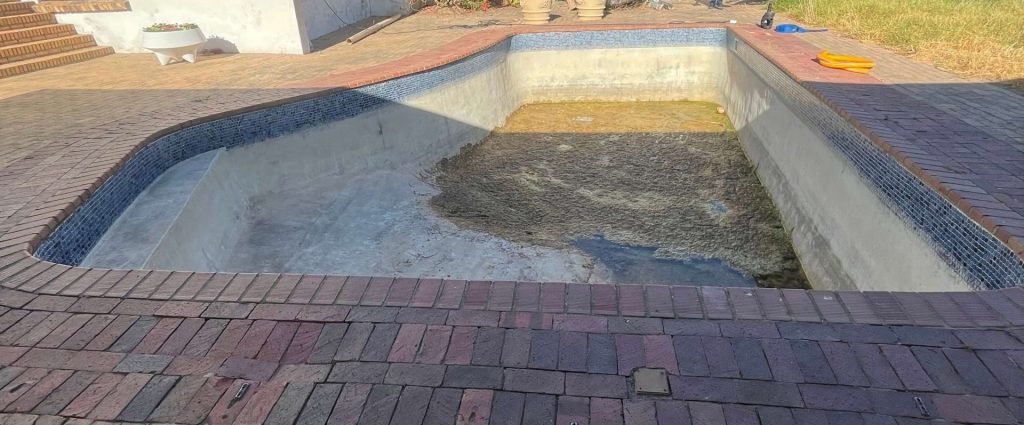
Owners often notice surface discoloration, water chemistry instability, or stubborn black algae infestations. Understanding the common problems is the first step in maintaining a safe, beautiful, and low-maintenance pool. This comprehensive guide will help homeowners identify issues, understand their causes, and explore cost-effective and long-term solutions.
Signs of Ageing in Marbelite and Gunite Pools
1. Surface Cracks and Peeling Plaster
Over time, marbelite plaster can lift from the concrete base. Gunite pools may develop hairline cracks, which eventually grow larger due to thermal expansion, structural movement, or poor initial workmanship. Cracks allow water to seep beneath the surface, weakening the pool shell and compromising structural integrity.
2. Black Algae Infestations
Black algae is particularly stubborn on marbelite and gunite surfaces. Unlike green algae, it embeds its root structure into the plaster, making it resistant to regular chlorination. Once established, it forms dark spots that cannot be scrubbed away without professional chemical treatment and surface abrasion.
3. Golden Brown Stains and Rust
Metallic elements in pool water, such as iron, copper, or manganese, react with oxygen and pool chemicals, causing golden brown or reddish stains. These unsightly marks are often exacerbated by pH imbalances or poor water circulation, making them difficult to remove with standard pool chemicals.
4. Water Chemistry Imbalance
Ageing concrete surfaces affect water balance. Marbelite and gunite can leach calcium or other minerals, altering the pool’s pH, alkalinity, and hardness. Imbalanced water increases chemical consumption, causes corrosion of pool fittings, and encourages algae growth.
5. Hidden Water Leaks
Small cracks or gaps beneath plaster may cause slow water loss. Homeowners may notice frequent refilling or unexplained chemical fluctuations. Detecting these leaks requires professional expertise, dye tests, or electronic leak detection tools.
Effects of Pool Problems
- Structural Damage: Cracks and plaster lifting weaken the pool shell.
- Aesthetic Degradation: Stains, algae, and peeling plaster make pools visually unappealing.
- Health Risks: Algae and bacteria can proliferate in neglected areas.
- Increased Maintenance Costs: Frequent cleaning, chemical adjustments, and partial repairs add up over time.
Cheaper Effective Resurfacing Solutions
For homeowners looking for cost-effective solutions, there are several options:
- Replastering: Applying a fresh marbelite layer restores appearance but may be prone to algae and future staining.
- Pool Painting: Epoxy or acrylic paints can cover surface blemishes temporarily but require frequent maintenance and repainting.
- Partial Repair: Localized crack repairs can stabilize minor issues but do not address staining or black algae.
These solutions are less expensive upfront but may require continual attention and chemicals over time.
Long-Term, Low-Maintenance Solutions
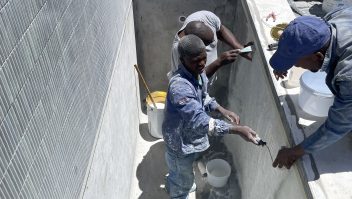
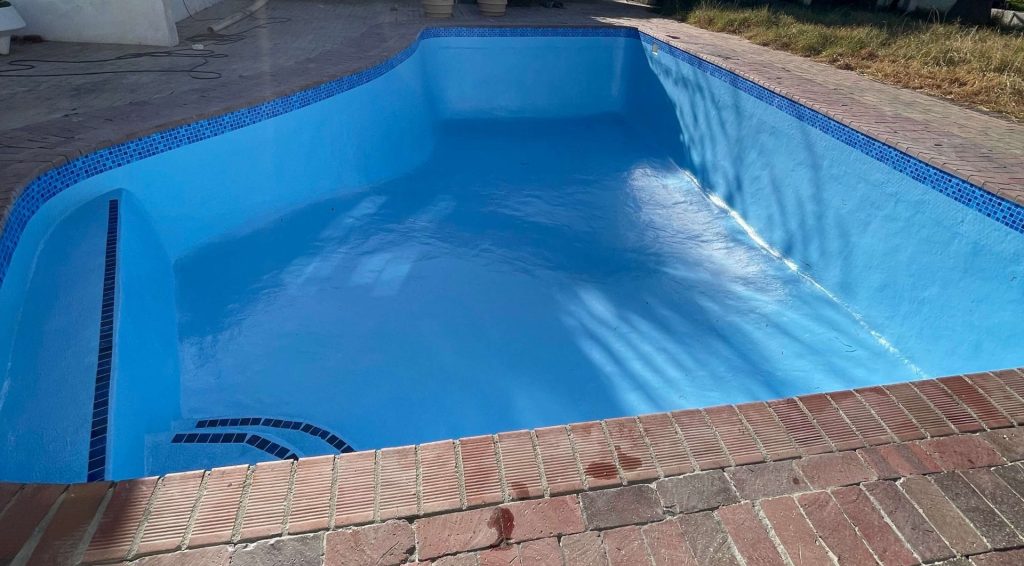
Fibreglass relining has emerged as the most effective long-term solution for marbelite and gunite pool problems:
- Durable Surface: Resistant to UV, chemical imbalance, and mechanical damage.
- Smooth Finish: Prevents black algae and reduces staining.
- Low Maintenance: Minimal chemical adjustments, easier cleaning, and no frequent resurfacing.
- Leak Prevention: Forms a waterproof barrier, eliminating hidden leaks.
Pools Reno provides professional fibreglass pool relining in Cape Town with modern finishes such as sky blue, white, aqua, and charcoal, ideal for both residential and commercial properties.
Products for Cleaning and Resurfacing (Locally Available in SA)
- Black Algae Treatment: Pool Chemical SA Algaecide, Poolside Chlorine Shock Treatment
- Rust & Stain Removal: Pooltech Rust & Metal Stain Remover, Blue Lagoon Stain Remover
- Resurfacing Materials: Fibreglass sheets from Fibreglass Cape, Marbelite plaster from local suppliers
External References:
- PoolResearch.com – insights on pool surface maintenance and chemical treatments
FAQs
Q1: How long does marbelite plaster last?
A: Typically 10–15 years, depending on pool usage, water chemistry, and maintenance.
Q2: Can black algae be completely removed from marbelite pools?
A: Yes, with intensive chemical treatment and surface abrasion, but fibreglass relining prevents future infestations.
Q3: How do I detect hidden leaks?
A: Professional services use dye testing, electronic leak detectors, and water balance tracking to locate leaks accurately.
Q4: Is fibreglass relining more expensive than replastering?
A: Upfront, yes. But long-term, fibreglass reduces maintenance, chemical use, and future repair costs, making it cost-effective.
Q5: Which colours are available for fibreglass pools?
A: Popular options include sky blue, white, aqua, and charcoal, with custom shades available for bespoke designs.
Call to Action
Ready to restore your marbelite or gunite pool in Cape Town? Protect your investment and enjoy a low-maintenance, beautiful pool with Pools Reno’s fibreglass relining services. Book your free assessment today and discover the ideal solution for your pool’s needs.