Introduction
Hidden pool leaks are one of the most frustrating issues for homeowners in Cape Town. Marbelite and gunite pools, while durable, can develop unseen cracks, fissures, or plumbing failures over time. These leaks not only waste water but also disrupt chemical balance, cause structural damage, and increase maintenance costs.
Detecting and repairing leaks promptly can save thousands of rands and prevent larger structural problems. This guide explores the common signs, detection techniques, DIY fixes, professional solutions, and long-term strategies for pool leak prevention.
Common Causes of Pool Leaks
- Cracks in Marbelite or Gunite Surfaces
- Ageing plaster, marbelite peeling, and UV exposure can create hairline cracks.
- These cracks allow water to escape and contribute to surface stains and algae growth.
- Faulty Plumbing
- Old or poorly fitted pipes, corroded return lines, and failing fittings can leak underground.
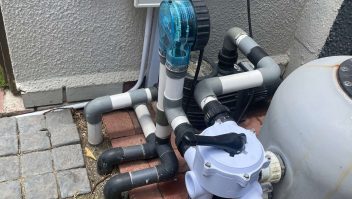
- Return lines, skimmers, and filter plumbing are common leak points.
- Structural Shifts
- Coastal soil movement, ground settling, and heavy rains can cause concrete pools to shift slightly.
- This results in hidden fissures that are difficult to see.
- Pump & Filtration Failures
- Leaks around pump seals, valves, and connections reduce water levels without obvious visual signs.
- Pool Accessories
- Water features, fountains, and lights may have poorly sealed connections, leading to slow leaks.
Note: Even minor leaks can destabilize chemical balance, leading to increased chlorine demand, pH fluctuations, and scaling or corrosion on pool surfaces.
Signs Your Pool May Have a Hidden Leak
- Unexpected drop in water level (more than 2–3 mm per day)
- Constantly refilling the pool to maintain levels
- Algae growth despite balanced chemical levels
- Damp areas around pool deck or adjacent landscaping
- High chemical usage without visible contamination
Tip: To differentiate normal evaporation from leaks, use the Bucket Test:
- Fill a bucket with pool water and place it on a pool step.
- Mark water levels inside the bucket and pool.
- If the pool water level drops faster than the bucket, a leak is likely.
Step-by-Step Leak Detection Process
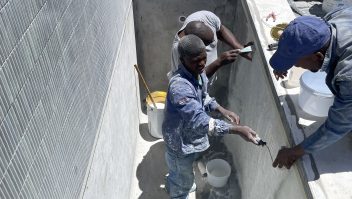
1. Visual Inspection
- Examine marbelite or gunite surfaces for cracks, blistering, or plaster lifting.
- Inspect skimmers, lights, return lines, and pool fittings for water seepage.
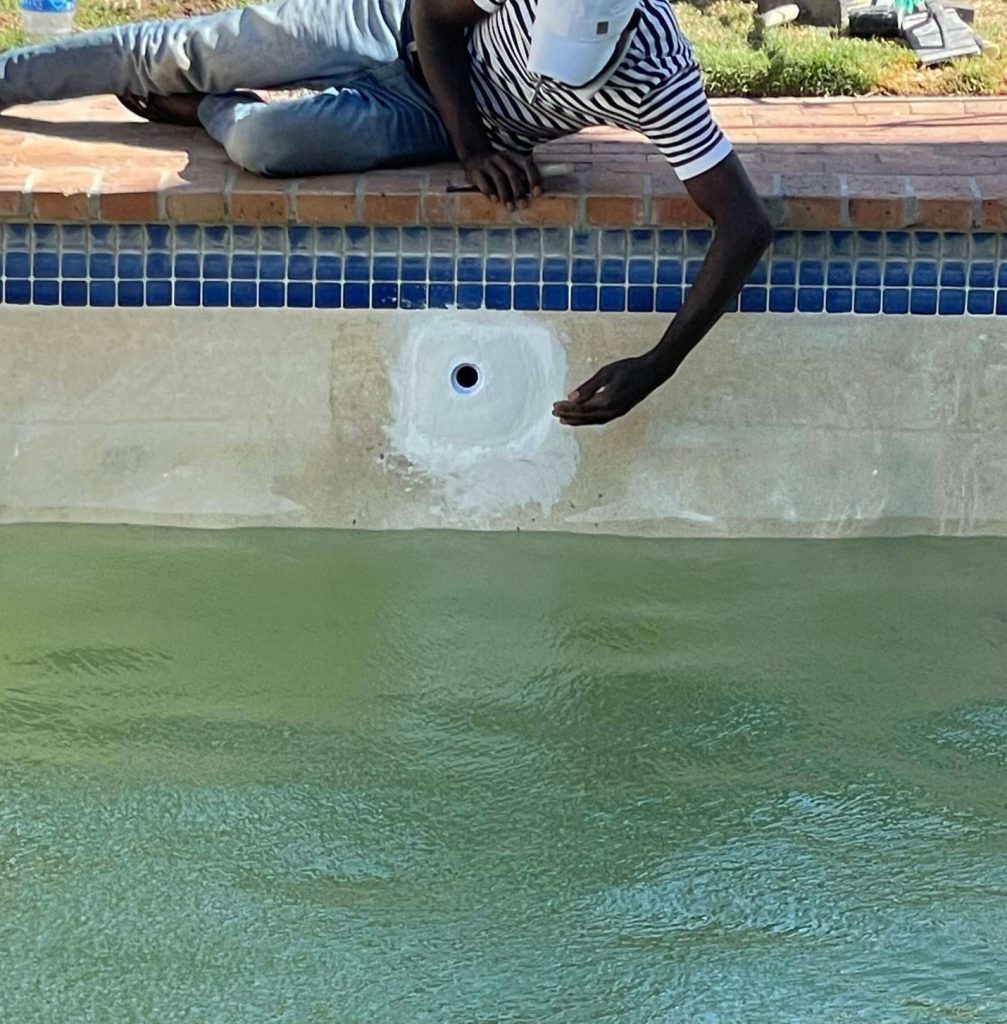
2. Dye Testing
- Use pool-safe dye near suspected leaks (around cracks, fittings, or lights).
- The dye will be drawn into the leak, visually confirming the source.
Products Available Locally:
- Pool Chemical SA Leak Detection Dye
- Blue Lagoon Pool Leak Locator
3. Pressure Testing
- For plumbing, pressure testing pipes can identify underground leaks.
- Professionals use specialized equipment to test return lines and suction lines.
4. Electronic Leak Detection
- Advanced leak detection uses electronic sensors to detect moisture or pressure changes.
- Ideal for persistent or underground leaks where visual or dye tests fail.
DIY vs Professional Pool Leak Solutions
DIY Approaches:
- Minor surface cracks: use underwater epoxy or plaster patching.
- Leaking fittings: tighten or replace seals, o-rings, and gaskets.
- Small hairline leaks: apply pool-grade sealants.
Professional Solutions:
- Underground plumbing leaks
- Large structural cracks in marbelite or gunite pools
- Persistent leaks affecting chemical balance
- Pools requiring resurfacing or fibreglass relining
Internal Link: For professional fibreglass relining services in Cape Town, see Pools Reno Fibreglass Relining.
The Cost of Ignoring Pool Leaks
- Increased water bills and wasted water resources
- Chemical imbalance leading to corrosion or scaling
- Damage to pool finishes, including marbelite and gunite surfaces
- Potential erosion or damage to pool foundations and surrounding landscaping
Tip: Early detection prevents costly repairs and extends the pool’s lifespan.
Long-Term Solutions for Marbelite & Gunite Pools
- Fibreglass Relining
- Provides a smooth, non-porous surface that eliminates cracks and prevents water seepage.
- Reduces maintenance and prevents algae growth.
- Plaster Resurfacing
- Cost-effective but requires periodic maintenance every 5–7 years.
- Routine Maintenance
- Regular water testing, circulation checks, and minor crack repairs.
- Use of Quality Products
- Pool-safe sealants, epoxy fillers, and specialised leak repair kits locally sourced.
Local Products for Leak Repairs:
- Pool Chemical SA Epoxy Patch
- Blue Lagoon Leak Repair Kit
- Hydro Seal Pool Patch
External Resources:
FAQs: Pool Leak Detection
Q1: How do I know if my pool leak is serious?
A: If water loss is more than 5mm per day or chemical balance is unstable, the leak is likely significant and requires professional attention.
Q2: Can I fix leaks in marbelite or gunite pools myself?
A: Small surface cracks and fittings can be patched. Structural or plumbing leaks are best handled by experts.
Q3: How much does professional leak detection cost in Cape Town?
A: Costs vary depending on leak type and severity but typically range from ZAR 2,500 to ZAR 8,000 for a full inspection and repair.
Q4: Will fibreglass relining prevent future leaks?
A: Yes. A fibreglass overlay creates a durable, non-porous barrier that eliminates hairline cracks and reduces maintenance.
Call to Action
If your marbelite or gunite pool in Cape Town is losing water, don’t wait until the problem escalates. Contact Pools Reno for professional leak detection, repair services, and fibreglass relining solutions. Protect your pool, save water, and restore your swimming experience today!