Introduction
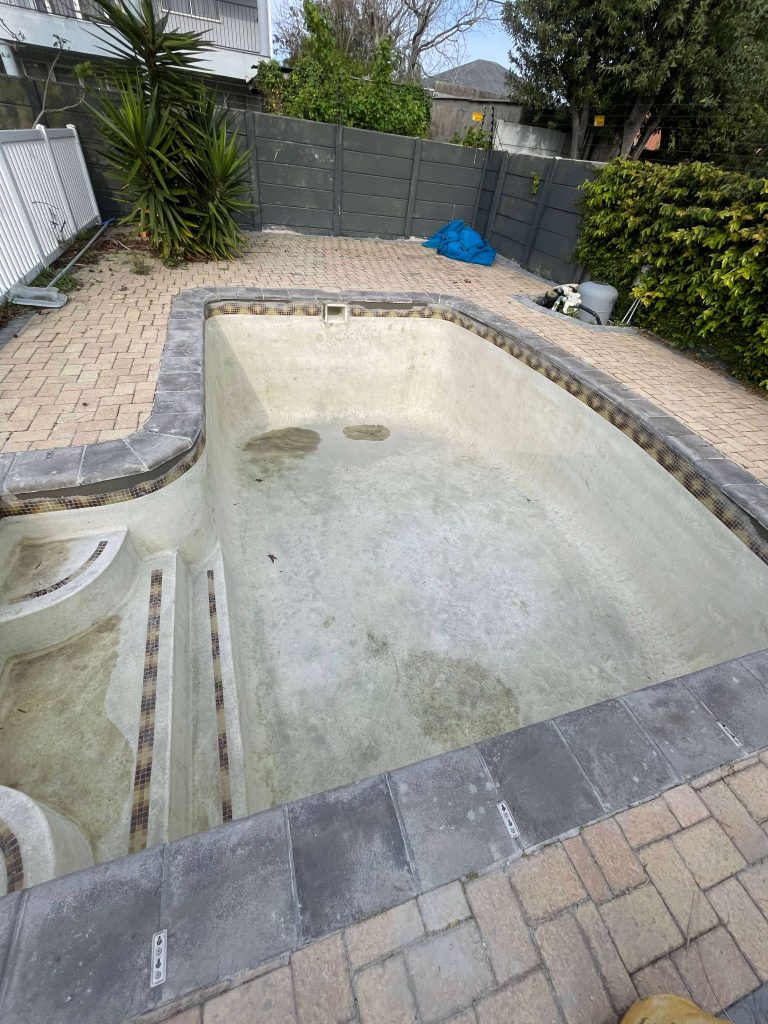
Marbelite and gunite pools in Cape Town offer durability and elegance, but over time they can develop unsightly rust stains, golden-brown water marks, and surface discoloration. These stains not only affect your pool’s aesthetics but also signal chemical imbalances and potential long-term damage.
Effective rust and stain removal is essential for maintaining a healthy, visually appealing pool. This guide explains the causes, local solutions, prevention methods, and professional approaches to restore and protect your pool surfaces.
Common Causes of Rust and Stains in Pools
- Metal Contamination
- Iron, manganese, and copper from water sources, pool equipment, or plumbing can cause rust-colored stains.
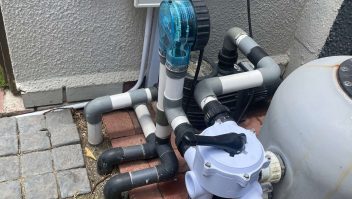
- Corroded pipes, metal fittings, and oxidized fixtures are common sources.
- Chemical Imbalance
- High pH, low alkalinity, and fluctuating chlorine levels can trigger stains and discoloration.
- Poorly balanced water accelerates rust formation and etching on marbelite and gunite surfaces.
- Algae & Organic Matter
- Algae deposits can bind with metals to produce stubborn brown or greenish stains.
- Black algae, in particular, can embed itself in marbelite surfaces, leaving dark marks that are difficult to remove.
- Aging Pool Surfaces
- Marbelite and plaster surfaces develop micro-porosity over time, allowing metals to penetrate and leave stains.
Types of Pool Stains
- Orange/Brown Rust Stains: Caused by iron oxidation from water or equipment.
- Blue/Green Stains: Often copper-based, from plumbing, pumps, or algaecides.
- Black or Dark Spots: Usually black algae that has embedded deeply into the plaster or marbelite.
- White or Chalky Marks: Calcium deposits or scaling from hard water.
Internal Link: For long-term surface protection, consider Fibreglass Pool Relining in Cape Town to prevent recurring stains and reduce maintenance.
DIY Rust & Stain Removal Methods
1. Chelating Agents
- Products like Sequestrene or Dystik pools chelators bind metals in water, preventing staining.
- Add to circulating water as per manufacturer instructions.
2. Stain-Specific Chemicals
- Iron Stains: Use sodium thiosulfate or iron remover tablets.
- Copper Stains: Apply copper chelators or phosphate removers.
- Calcium Stains: Use muriatic acid carefully for spot treatment.
3. Surface Cleaning
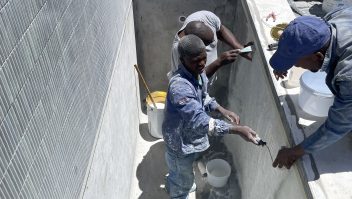
- For localized rust stains, scrub gently with a nylon brush to avoid damaging plaster or marbelite.
- Black algae spots may require a brush and chlorine-based shock treatment.
Local South African Products:
- Pool Chemical SA Stain Remover – Effective for iron, manganese, and copper.
- Blue Lagoon Rust & Stain Cleaner – Concentrated formula for pool surfaces.
- Sequestrene 138 Fe – Chelating agent for metal control.
Professional Rust & Stain Removal Solutions
- Acid Washing
- Removes deep-seated stains and etching from old marbelite surfaces.
- Requires professional handling due to strong chemicals.
- Plaster or Marbelite Resurfacing
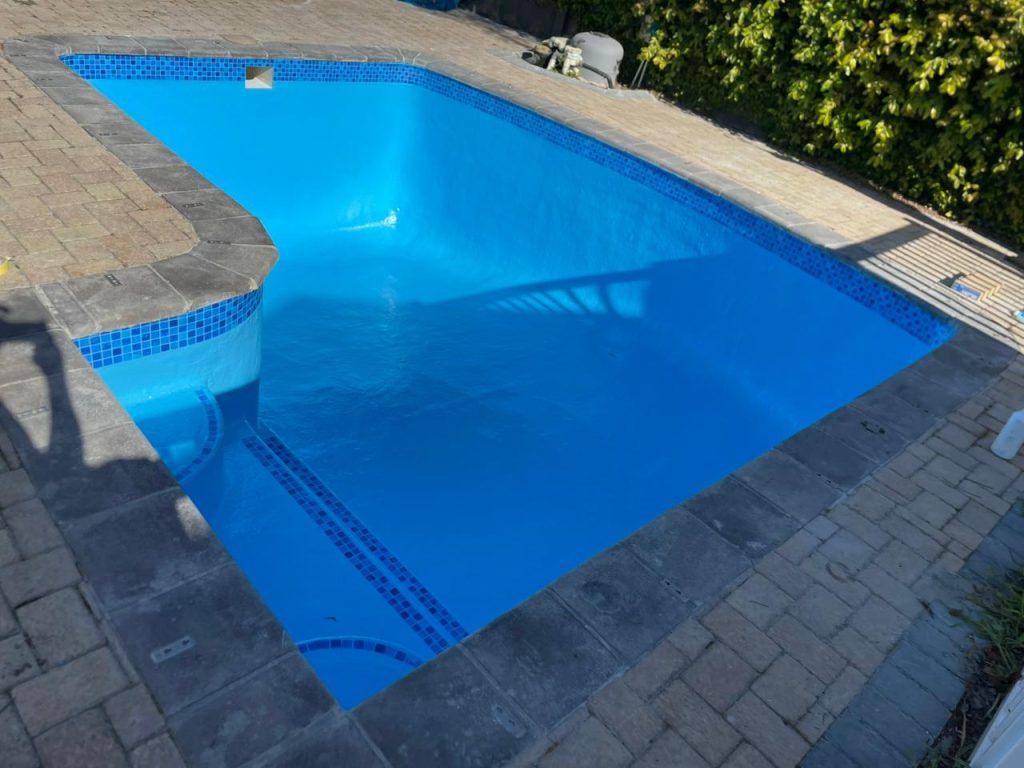
- Replaces stained surfaces entirely, restoring aesthetics.
- Cost-effective over repeated chemical treatments.
- Fibreglass Relining
- Permanent solution: smooth, non-porous surface that prevents rust penetration.
- Reduces chemical demand, prevents algae embedment, and improves water balance.
External Link: PoolResearch.com – Pool Stain Removal Methods
Step-by-Step Stain Removal Process
- Identify Stain Type – Observe the color and location to determine whether it’s iron, copper, or algae-based.
- Test Water Chemistry – Balance pH, alkalinity, and chlorine before treatment.
- Apply Targeted Treatment – Use chelators, stain removers, or chlorine shock depending on the stain.
- Surface Cleaning – Brush stains gently and vacuum debris.
- Monitor and Repeat if Necessary – Some deep stains may need multiple treatments.
- Prevent Recurrence – Maintain chemical balance, use metal sequestrants, and consider fibreglass relining for long-term protection.
Prevention Tips
- Regularly test and balance water chemistry
- Use metal sequestrants if your water source is high in iron or copper
- Inspect pumps, pipes, and fixtures for corrosion
- Shock pools weekly during peak algae growth seasons
- Consider fibreglass relining for aging marbelite or gunite pools to prevent stains
Internal Link: Explore Pools Reno Fibreglass Relining Services for long-term stain prevention.
FAQs: Rust & Stain Removal
Q1: How long does it take to remove rust stains from a pool?
A: Light stains can be removed in a few days; deep-set rust may take several treatments over 1–2 weeks.
Q2: Can black algae be removed completely?
A: Yes, with chlorine shock, brushing, and chemical treatments. Persistent infestations may require resurfacing or fibreglass relining.
Q3: Are local South African products effective for stain removal?
A: Absolutely. Products like Blue Lagoon Rust & Stain Cleaner and Pool Chemical SA Stain Remover are proven to work on Cape Town pools.
Q4: Will resurfacing or fibreglass relining prevent future stains?
A: Yes. A smooth, non-porous surface prevents metals and algae from embedding, drastically reducing stain recurrence.
Call to Action
Don’t let rust and stains ruin your pool experience. Contact Pools Reno today for professional stain removal, surface restoration, and fibreglass relining services in Cape Town. Restore your pool’s beauty, protect your investment, and enjoy crystal-clear water all year round.