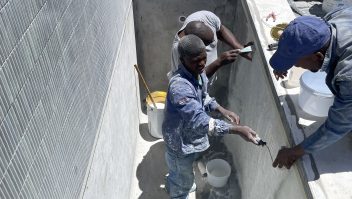
A sloppy beach entry pool (also called a zero-entry or gradual entry pool) adds a resort-style touch to any Cape Town property, offering a smooth transition into the water. But over time, the marbelite surface that once looked luxurious can begin to peel, crack, or discolour — especially in Cape Town’s salty air and hot summers.
The good news? You don’t need to rebuild your pool from scratch. There are affordable resurfacing options that restore your pool’s beauty and strength without exceeding your budget.
Why Marbelite Beach Entry Pools Deteriorate Faster
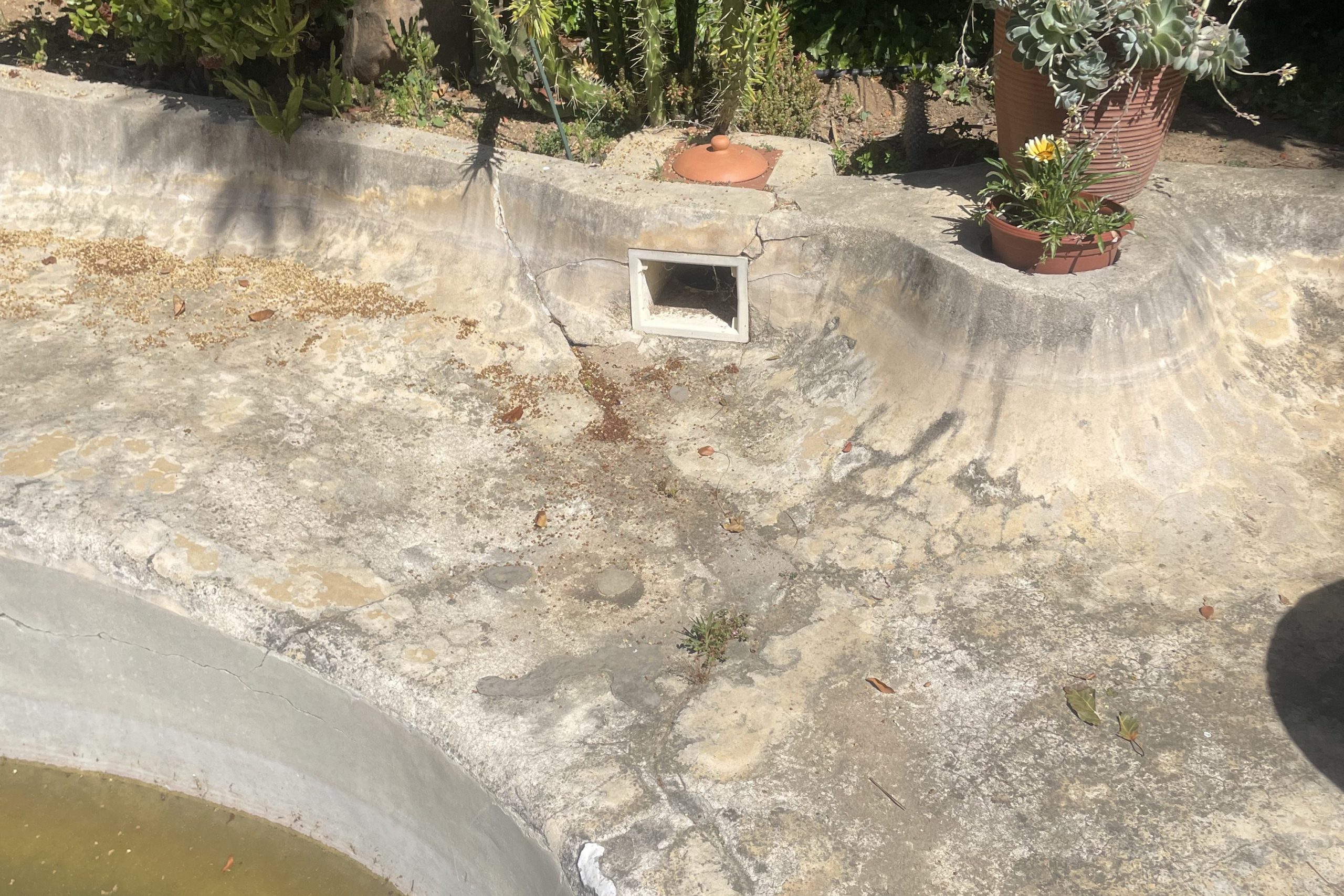
The unique slope of a beach entry pool exposes it to constant sunlight, foot traffic, and fluctuating water chemistry. Combined with Cape Town’s harsh UV rays and borehole water minerals, this causes:
- Cracking and flaking marbelite surfaces
- Algae stains and discolouration from chemical imbalance
- Surface roughness that’s harsh on feet
- Water leaks through porous, worn-out layers
- Uneven patches caused by ground movement
In short — your pool is fighting both nature and time. But resurfacing can completely transform it.
1. Fibreglass Relining – The Most Affordable Long-Term Fix
The most cost-effective and low-maintenance method to restore a marbelite sloppy beach entry pool is fibreglass relining. This process creates a new waterproof shell that’s bonded directly over your existing surface.
Benefits of Fibreglass Relining in Cape Town:
- 25–35% cheaper than full marbelite replacement.
- Creates a smooth, slip-resistant finish perfect for gradual entry pools.
- Resists algae, calcium, and salt stains common in Western Cape water.
- Ideal for borehole or wellpoint-fed pools.
- Requires minimal upkeep and lasts up to 20 years.
Estimated Cost: R22,000 – R45,000 depending on pool size, slope, and access.
2. Acid Wash & Pool Paint – The Short-Term Budget Option
If your marbelite is structurally sound but stained or dull, an acid wash and repaint offers a quick, affordable refresh.
Pros:
- Costs around R9,000 – R15,000 for an average-size pool.
- Restores brightness and removes stubborn algae.
- Ideal for temporary improvement before a larger renovation.
Cons:
- Paint usually lasts 2–3 years before fading.
- Won’t fix deep cracks or surface flaking.
This option is perfect if you’re selling your property, renting it out, or need a quick facelift before the summer season.
3. Crack and Hollow Repair Before Resurfacing
Before relining or re-coating, cracks and hollow patches in your beach entry slope must be repaired properly to prevent leaks later on.
At Pools Reno, we use industrial-grade epoxy fillers and cement to stabilise problem areas and reinforce weak spots.
This ensures your new finish bonds securely and delivers a long-lasting watertight seal.
4. Combine Entry Slope Repairs with Full Pool Renovation
Instead of resurfacing only the shallow section, many homeowners choose to refurbish the entire pool at once.
It’s more efficient — and surprisingly more cost-effective — since labour and setup costs are shared.
Popular upgrades include:
- New waterline mosaics and coping tiles
- Repaired aim flows and weirs
- LED energy-saving pool lights
- Modern non-slip textures on the beach slope
5. Timing Your Renovation for Best Savings
Cape Town’s autumn and winter seasons are the best time to book a pool resurfacing project. Demand is lower, meaning faster completion and discounted rates.
By scheduling during the off-season, you can save up to 15% compared to peak summer pricing — and your pool will be ready before the hot weather hits.
Do You Need Municipal Approval?
If your renovation doesn’t alter your pool’s shape, depth, or footprint, you don’t need approval from the City of Cape Town.
However, if you’re rebuilding, expanding, or adding new structural features, building plan approval may be required.
You can confirm via the official City of Cape Town Building Plan Portal.
Cost Comparison: Pool Resurfacing Options for Cape Town Homes
| Method | Average Cost (ZAR) | Lifespan | Maintenance | Ideal For |
|---|---|---|---|---|
| Fibreglass Relining | R22,000 – R45,000 | 15–20 years | Very low | Long-term renovation |
| Marbelite Recoat | R30,000 – R55,000 | 10–15 years | Moderate | Full structural resurfacing |
| Acid Wash + Paint | R9,000 – R15,000 | 2–3 years | High | Cosmetic refresh |
Frequently Asked Questions: Marbelite Pool Resurfacing Cape Town
1. Can you fibreglass over an old marbelite surface?
Yes, as long as the surface is stable. Our team sands and prepares the existing marbelite before applying layers of fibreglass and resin, creating a durable watertight finish.
2. How long does fibreglass relining last?
Typically 15 to 20 years with proper chemical balance and maintenance. It’s one of the most cost-efficient investments for older pools.
3. Can I use borehole or wellpoint water in a relined pool?
Absolutely — fibreglass performs better than marbelite in mineral-heavy borehole water because it resists scaling and staining.
4. How long does resurfacing take?
Most Cape Town projects take 4–5 working days, depending on pool size, access, and weather conditions.
5. What’s the cheapest way to improve a marbelite beach entry pool?
If your pool is still structurally sound, acid washing and painting are the lowest-cost options. For a long-term solution, fibreglass relining is far more affordable than complete reconstruction.
Final Thoughts
You don’t need to spend a fortune to restore your sloppy beach entry marbelite pool. Whether you choose fibreglass relining, a marbelite recoat, or a simple acid wash, there’s an option to fit your budget — and dramatically improve your pool’s look and safety.
At Pools Reno, we specialise in affordable pool resurfacing and renovations throughout Cape Town, Durbanville, Bellville, Somerset West, and Stellenbosch.
📞 Contact us today for a free on-site inspection and professional advice on the most affordable way to resurface your beach entry pool.