Introduction
Black algae is one of the most stubborn and persistent problems for marbelite and gunite pools in Cape Town. Unlike green algae, black algae embeds deep into the plaster, forming strong root structures that resist standard chemical treatments. If left untreated, it can cause dark spots, surface degradation, and even affect water chemistry.
Coastal conditions, such as strong sunlight, salt air, and fluctuating temperatures, make pools in Cape Town particularly vulnerable. Homeowners frequently notice black spots in shaded areas, near steps, or along pool corners. Understanding the causes, treatment methods, and prevention strategies is crucial to maintaining a healthy, beautiful pool.
What Causes Black Algae in Pools?
- Embedded Root Structures: Black algae can penetrate plaster and concrete surfaces, making it extremely difficult to remove with chlorine alone.
- Poor Water Circulation: Dead zones in the pool, corners, and steps where water doesn’t circulate well create ideal growth environments.
- Imbalanced Pool Chemistry: Low chlorine levels, fluctuating pH, and insufficient alkalinity allow black algae to thrive.
- Surface Ageing: Old marbelite or gunite pools with porous surfaces give algae spores more points to attach and grow.
Tip: Regular water testing and balancing are essential for preventing outbreaks.
Signs of Black Algae in Pools
- Dark black or bluish-black spots on steps, pool walls, or floor
- Rough-textured patches that cannot be scrubbed off with a brush
- Persistent chlorine demand despite regular chemical treatments
- Gradual spreading of black areas if untreated
Detecting black algae early is critical. Small infestations can be treated effectively, whereas severe infestations may require partial surface removal or professional intervention.
Step-by-Step Black Algae Removal
1. Shock Treatment
- Use high-strength pool chlorine or calcium hypochlorite shock.
- Raise free chlorine levels to 10–12 ppm.
- Circulate water for 24–48 hours, paying special attention to shaded areas.
Locally available products in South Africa:
- Pool Chemical SA Chlorine Shock
- Blue Lagoon Super Chlorinator
2. Manual Brushing
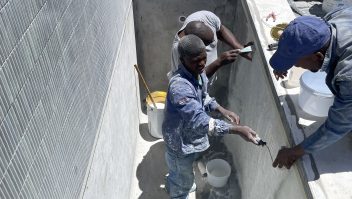
- Use a stiff nylon or stainless steel brush to scrub affected areas.
- Focus on corners, steps, and areas with embedded black spots.
- Scrubbing helps break down the root structure, allowing chemicals to penetrate.
3. Algaecide Application
- Apply a specialised black algae algaecide after shock treatment.
- Repeat application according to product instructions for persistent infestations.
Local products:
- Pool Chemical SA Black Algae Algaecide
- Blue Lagoon Algae Guard
4. Water Filtration
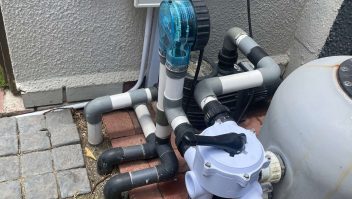
- Run filtration continuously during treatment.
- Clean or backwash filters regularly to remove dead algae.
5. Monitoring & Maintenance
- Test water daily for chlorine, pH, and alkalinity.
- Keep chlorine at 3–5 ppm and maintain pH 7.2–7.6.
- Regular brushing and circulation prevent regrowth.
Preventing Black Algae in Marbelite and Gunite Pools
- Maintain Balanced Water Chemistry:
- Regularly test pH, chlorine, alkalinity, and calcium hardness.
- Improve Circulation:
- Install additional return jets or adjust pump times.
- Ensure all pool corners and steps are reached by water flow.
- Surface Resurfacing:
- Porous marbelite and plaster surfaces encourage algae growth.
- Consider fibreglass relining as a long-term preventive measure.
Pools Reno Fibreglass Relining Services create a smooth, non-porous surface that prevents algae embedding and simplifies maintenance.
Alternative Treatments for Stubborn Algae
For severe infestations, professional solutions may include:
- Acid washing: Removes superficial black algae and stains from marbelite surfaces.
- Partial plaster removal: Excising heavily infested areas before resurfacing.
- Fibreglass overlay: Long-term, low-maintenance solution that completely prevents black algae reattachment.
External References:
FAQs: Black Algae in Pools
Q1: Can black algae be removed without chemicals?
A: Minor infestations may respond to brushing, but chemical treatment is almost always necessary for complete removal.
Q2: How long does it take to remove black algae?
A: Depending on severity, 3–7 days with proper shock, brushing, and algaecide treatments.
Q3: Will it come back after treatment?
A: Yes, if water chemistry, circulation, or surface conditions are not corrected. Fibreglass relining is the best long-term prevention.
Q4: Are there local products effective against black algae?
A: Yes. Pool Chemical SA Algaecides, Blue Lagoon Shock, and Algae Guard are reliable and available in Cape Town.
Call to Action
If your marbelite or gunite pool in Cape Town is struggling with black algae, don’t let it ruin your swimming season. Contact Pools Reno today for professional black algae treatment or explore fibreglass pool relining for a permanent, low-maintenance solution. Book your free assessment and restore your pool to pristine condition.